Marvels & Surprises for the Curious at Heart

My Photo
Name:
Location: Richmond, VA, United States

Tuesday, February 17, 2009

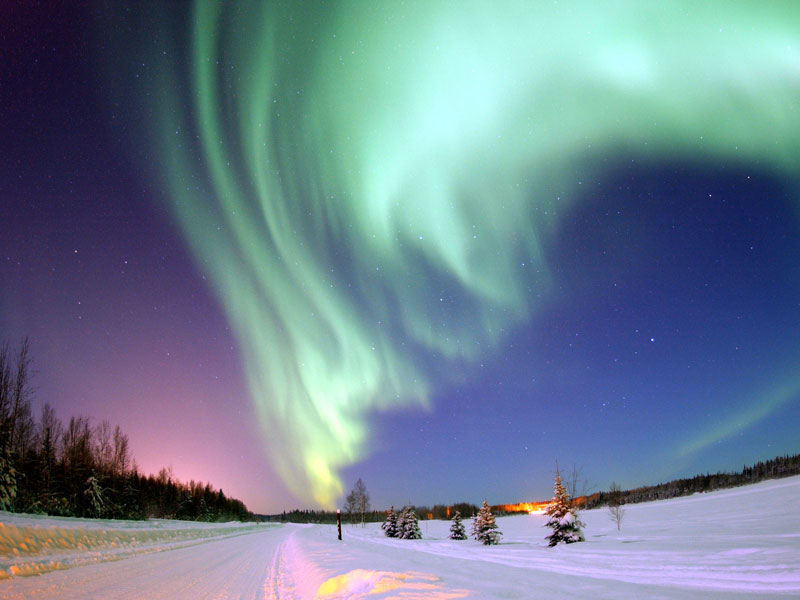
Didn't do it justice

My blog format won't show this whole picture.
Aurora
But you must take a look at it.

Blackouts and Rainbow Colored Skies

I heard about a really curious incident while I was watching the Discovery Channel this weekend.

"On March 13, 1989, at 2:44 am, a transformer failure on one of the main power transmission lines in the HydroQuebec system precipitated a catastrophic collapse of the entire power grid. The string of events that produced the collapse took only 90 seconds from start to finish. There was no time for any meaningful intervention. 6 million people lost electrical power for 9 or more hours." p.s. It was 8 degrees that morning and if the east coast of the U.S. didn't have a few of their own transformers, we would have lost power too.

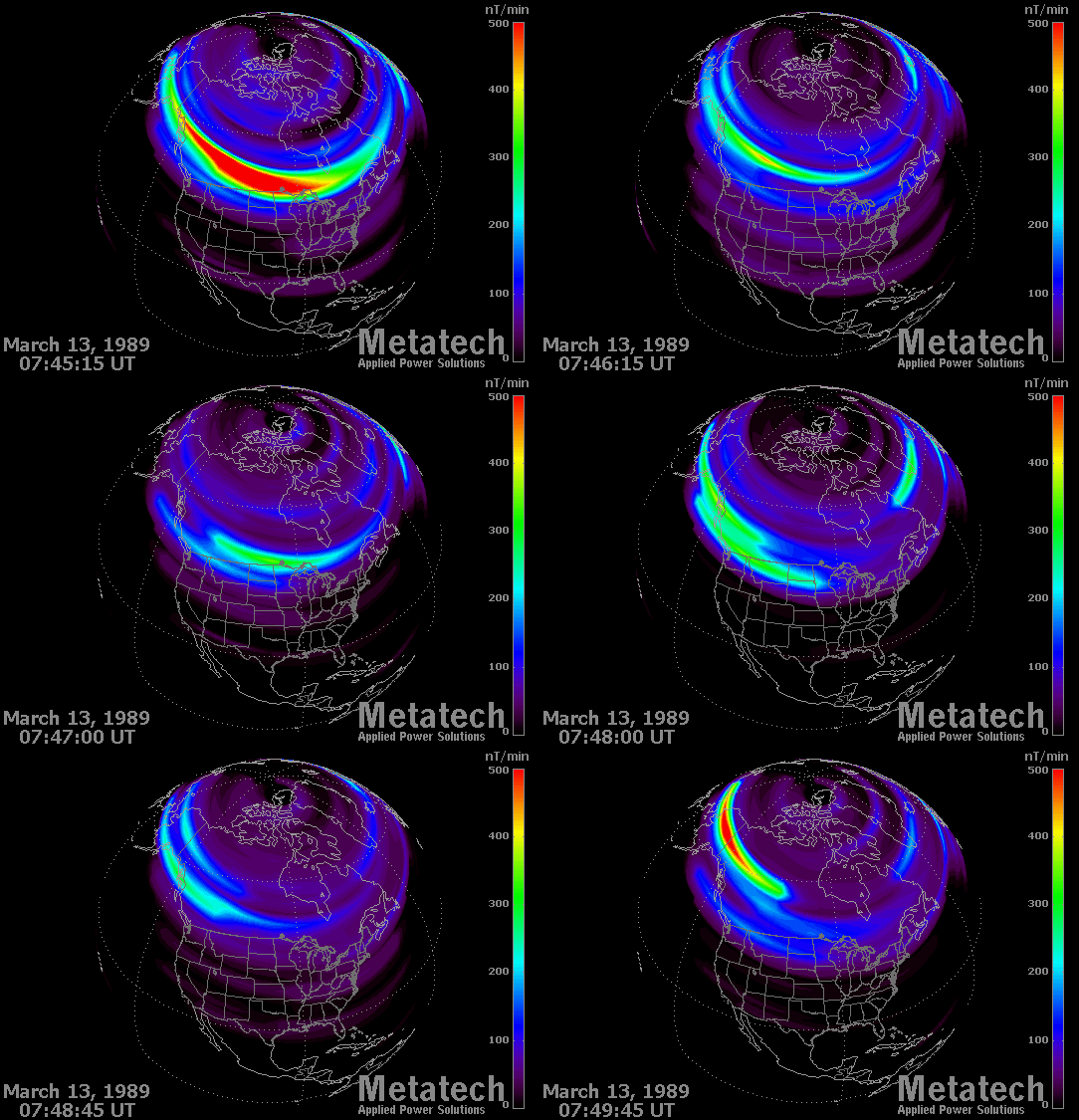
This sequence shows the disturbance in the Earth's magnetic field that triggered the collapse and blackout of the Hydro Quebec system during the Great Geomagnetic Storm of March 13, 1989. Storm conditions (as measured by rapid rates of change in the Earth's magnetic field) are depicted over the time 7:40-8:00 GMT (UT). The Hydro Quebec system blackout occurred at 7:45 GMT.

A huge magnetic storm was responsible for the blackout. Basically, the sun's equator and poles don't rotate at the same speed as Earth's due, meaning lines of longitude are distorted. This creates a really volatile environment. A couple days before the morning of the blackout, the sun emitted a huge solar flare (energy equivalent-thousands of volcanoes erupting at once) and 8 minutes later our upper atmosphere was struck by enormous and powerful wave of radiation. The following day, an even more powerful eruption launched a cloud of gas from dead center on the Sun. The storm cloud rushed out from the Sun at a million miles an hour, and on the evening of Monday, March 13 it struck the Earth.
now...for the art part of this...solar flares are stunning.


And, the "most newsworthy" consquence of this storm and the widespread blackout, the Aurora Borealis (aka northern lights) had seldom been so vivid, bright, colorful or vast (reports of the lights came from as far south as Florida and Cuba).
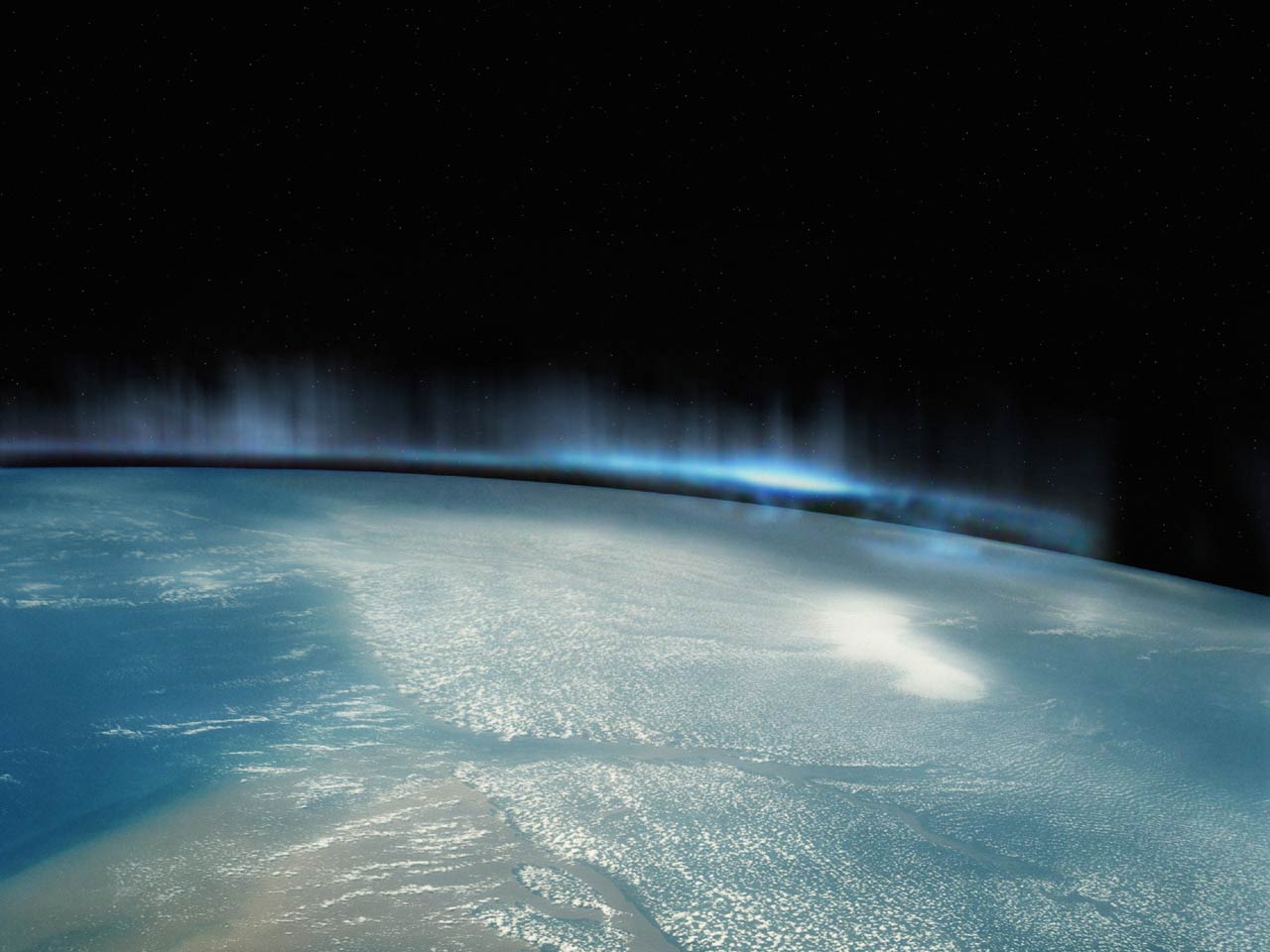
the aurora from space

Sunday, February 15, 2009

Bodies

I don't know if anybody has had the chance to see this exhibit.

I haven't seen this one in particular, but I saw a horse and some babies and young children that were prepared like this but I can't remember where, when or exactly what. It's almost like a combination of a museum experience I had as a kid and memories from shows on the Discovery and Travel channels blurred together.


What I do remember was being totally awed. One part of me wishes bodies ran clean and neat like the highways, cities, destinations and pit stops in Osmosis Jones and a competing part is obsessed with the fetal pig and heart dissections we had to do in high school and freshman bio.

I think this exhibit came back to me this week because I've recently spent an extraordinary amount of time in the hospital. And the whole time, I was fascinated. The way sound is one of the last senses you retain, how your body reacts to being pinched and prodded, the way your shoulders shrug when you scratch someone's head, the way you keep breathing when all other brain function is gone...it's all morbid to some but very, very fascinating to me. I'm not a "your body is a temple" kind of person, but I think that bodies are simple and powerful tools to create wonder and be full of wonder themselves.

Sunday, February 1, 2009

Planet Earth, cont.

Just found this picture

Planet Earth

Elise touched on the 24-hour/African stink ant in her blog, so I decided that now is a good time to do the entry I wanted to about Planet Earth. I have the whole BBC/David Attenborough series on DVD and I love it all (kind of a requirement for envs students...) I have to say, my favorite episode is "ocean deep" mostly because it is all so unfamiliar and from a science standpoint, it is extremely difficult to live in low-light/high pressure/very cold/limited resource environments. Some animals can go months without seeing one another or have to rely just on marine snow or chemosynthesis to survive. It's difficult to imagine such a solitary, sun-less life. The most shocking thing for me is the size of some of these creatures like the spider crab and tube worms.

There is a surprising amount of life at the bottom of the ocean concentrated in little oases and I just think it is amazing that we have a chance to see it. Some creatures look extremely prehistoric and some are so evolved they look futuristic.


I think this quote sums it up:
"Our planet is still full of wonders. As we explore them, so we gain not only understanding, but power. It's not just the future of the whale that today lies in our hands: it's the survival of the natural world in all parts of the living planet. We can now destroy or we can cherish. The choice is ours."
– David Attenborough, in closing